Free next-day delivery Australia-wide · Same-day in Melbourne when you order by 1pm

Author: Flower Club

  • Everything You Need to Know About Entrance Flowers

    Everything You Need to Know About Entrance Flowers

    Short Summary

    Entrance flowers are a vital aspect of beautifying any establishment’s exterior. This comprehensive article explores the significance of entrance flowers in creating a welcoming ambiance, improving curb appeal, and enhancing air quality. It discusses popular flower choices, including annuals, perennials, ornamental grasses, and evergreen shrubs, highlighting their unique qualities and benefits. The article also provides practical tips for creating a stunning entrance flower display, such as considering the environment, incorporating height variation, coordinating colors, and embracing seasonal changes. By following these guidelines, readers can transform their entrances into visually captivating spaces that leave a lasting impression on visitors.

    Key Takeaways

    • Entrance flowers enhance curb appeal and create a welcoming atmosphere.
    • Popular entrance flower choices include annuals, perennials, ornamental grasses, and evergreen shrubs.
    • Consider environmental factors when selecting entrance flowers.
    • Create depth and visual interest by incorporating plants of varying heights.
    • Coordinate colors to create a cohesive and visually appealing display.
    • Regular maintenance and proper watering are essential for the health of entrance flowers.
    • Embrace seasonal changes by updating your entrance flower display.
    • Experiment with different flower combinations to keep your entrance visually appealing throughout the year.

    Introduction

    Entrance flowers are an essential element in beautifying the exterior of any establishment. Whether it’s a residential property, commercial building, or even a public space, well-placed entrance flowers can create a warm and inviting atmosphere while leaving a lasting impression on visitors. In this article, we will explore the world of entrance flowers, their benefits, popular flower choices, and tips on how to create a stunning floral display. So let’s dive in and discover everything you need to know about entrance flowers.


    The Importance of Entrance Flowers

    Entrance flowers serve as a visual delight, instantly catching the eye of anyone who passes by. They enhance the curb appeal of a property, creating an inviting and welcoming ambiance. These vibrant floral displays can make a memorable first impression and leave a positive impact on guests, clients, or customers.

    Apart from aesthetics, entrance flowers offer several other benefits. They can help soften the harsh lines of architectural structures, mask unsightly areas, and add a touch of nature to urban environments. Additionally, they contribute to improved air quality, attract pollinators, and foster a sense of well-being for both residents and passersby.


    Popular Entrance Flower Choices

    a) Annual Flowers: Annuals are a popular choice for entrance flowers due to their versatility and vibrant colors. They bloom for one season, allowing you to experiment with different flower varieties each year. Marigolds, petunias, impatiens, and begonias are excellent options for adding a burst of color and creating a stunning display.

    b) Perennial Flowers: Perennials are flowers that come back year after year, making them a low-maintenance choice for entrance flowers. Daylilies, coneflowers, lavender, and salvia are just a few examples of perennial flowers that can add beauty and charm to your entrance.

    c) Ornamental Grasses: Combining ornamental grasses with flowers can create a striking contrast and add texture to your entrance flower display. Fountain grass, feather reed grass, and switchgrass are popular choices for their graceful movements and ability to withstand various weather conditions.

    d) Evergreen Shrubs: If you desire year-round greenery, evergreen shrubs are an excellent choice for entrance flowers. Boxwood, holly, and juniper can provide a backdrop for seasonal flower displays and maintain an attractive appearance even during colder months.


    Tips for Creating a Stunning Entrance Flower Display

    a) Consider the Environment:

    Before selecting entrance flowers, evaluate the environmental conditions of the space. Take note of sunlight exposure, soil type, and climate. This knowledge will help you choose flowers that thrive in your specific location, ensuring a successful and long-lasting display.

    b) Layering and Height Variation:

    Create depth and visual interest by incorporating plants of varying heights and sizes. Use taller flowers or ornamental grasses at the back and shorter flowers or groundcovers at the front. This layering technique adds dimension to your entrance flower arrangement.

    c) Color Coordination:

    Choose colors that complement each other and harmonize with the surroundings. Consider the building’s facade, existing landscaping, or any color themes you want to incorporate. A well-coordinated color scheme will create a cohesive and visually appealing entrance flower display.

    d) Maintenance and Watering:

    Regular maintenance and proper watering are crucial for the health and longevity of your entrance flowers. Follow the specific care instructions for each flower variety, and make sure to provide adequate water, especially during the hot summer months.

    e) Seasonal Changes:

    Embrace seasonal changes by updating your entrance flower display accordingly. Plan ahead and select flowers that bloom during different seasons. This approach ensures a fresh and vibrant display throughout the year, leaving a lasting impression on visitors.


    Conclusion

    Entrance flowers are a fantastic way to enhance the aesthetic appeal of any establishment. By carefully selecting the right flower varieties, considering environmental factors, and maintaining regular care, you can create a stunning entrance flower display that welcomes and captivates all who pass by. Remember to embrace seasonal changes and experiment with different flower combinations to keep your entrance area visually appealing throughout the year. So go ahead and let your creativity blossom with entrance flowers!


    Step-by-Step Guide

    Step 1: Assess the Space
    • Evaluate the entrance area, taking note of sunlight exposure, soil conditions, and climate.
    • Consider the size and shape of the space, as well as any existing architectural features or landscaping elements.
    Step 2: Determine the Design Concept
    • Decide on the overall design concept for your entrance flower display.
    • Consider factors such as color scheme, style (formal or informal), and the desired ambiance you want to create.
    Step 3: Choose the Flower Varieties
    • Select a mix of flower varieties that thrive in your specific environmental conditions.
    • Consider factors such as bloom time, height, and texture to create a visually appealing arrangement.
    • Choose flowers that complement each other and harmonize with the surrounding environment.
    Step 4: Plan the Layout
    • Determine the placement of each flower variety within the entrance area.
    • Consider the height and spacing requirements of the chosen flowers to create a balanced and layered arrangement.
    • Place taller flowers or ornamental grasses at the back and shorter flowers or groundcovers at the front to add depth.
    Step 5: Prepare the Soil and Planting
    • Prepare the soil by removing any weeds, rocks, or debris.
    • Loosen the soil and amend it with organic matter if needed.
    • Dig appropriate-sized holes for each plant, ensuring they have enough space to grow and thrive.
    • Plant the flowers according to their specific requirements, considering proper depth and spacing.
    Step 6: Water and Mulch
    • Water the newly planted flowers thoroughly to help them establish their roots.
    • Apply a layer of organic mulch around the plants to conserve moisture, suppress weeds, and enhance the overall appearance of the display.
    Step 7: Regular Maintenance
    • Implement a regular watering schedule to keep the flowers adequately hydrated.
    • Monitor the plants for any signs of pests, diseases, or nutrient deficiencies.
    • Deadhead spent flowers regularly to promote continuous blooming and maintain a neat appearance.
    • Trim back any overgrown or damaged foliage as needed.
    Step 8: Seasonal Updates
    • Embrace seasonal changes by updating your entrance flower display accordingly.
    • Replace fading flowers with new blooms that thrive in the current season.
    • Consider adding seasonal decor elements such as wreaths or decorative containers to enhance the overall display.

    By following these steps, you can create a stunning and well-maintained entrance flower display that adds beauty and charm to your establishment.

    Contact us for your entrance flowers here.

    Enjoy same-day delivery around Melbourne by visiting our shop.


    FAQ

    What are entrance flowers?

    Entrance flowers are floral arrangements or plants that are strategically placed near the entrance of a building or property to enhance its aesthetic appeal and create a welcoming atmosphere.

    Why are entrance flowers important?

    Entrance flowers are important because they improve the curb appeal of a property, create a positive first impression, and add natural beauty to the surroundings. They also contribute to improved air quality and can attract beneficial pollinators.

    What types of flowers are suitable for entrance displays?

    There are various types of flowers suitable for entrance displays, including annuals like marigolds and petunias, perennials like daylilies and lavender, ornamental grasses like fountain grass, and evergreen shrubs like boxwood and juniper. The choice depends on factors such as climate, sunlight exposure, and personal preferences.

    How do I choose the right entrance flowers for my location?

    To choose the right entrance flowers for your location, consider factors such as the amount of sunlight the area receives, the climate in your region, and the specific environmental conditions of your entrance space. Consult with local garden centers or florists for expert advice on the best flower varieties for your area.

    How often should I water my entrance flowers?

    The watering frequency for entrance flowers depends on various factors such as the type of flowers, weather conditions, and soil moisture levels. As a general guideline, check the soil moisture regularly and water when the top inch of soil feels dry. Be careful not to overwater or underwater, as both can be detrimental to the health of the plants.

    How can I maintain my entrance flowers?

    Regular maintenance is essential for the health and longevity of entrance flowers. This includes regular watering, fertilizing as needed, pruning or deadheading spent flowers, monitoring for pests and diseases, and removing any weeds or debris from the flower beds. It’s also important to provide adequate sunlight and proper care based on the specific needs of the flower varieties you have chosen.

    Can I change my entrance flowers with the seasons?

    Yes, changing your entrance flowers with the seasons is a great way to keep your display fresh and vibrant throughout the year. Select flower varieties that bloom during different seasons, and plan ahead to replace fading flowers with new blooms that thrive in each season.

    How can I create a visually appealing entrance flower display?

    To create a visually appealing entrance flower display, consider elements such as color coordination, height variation, and overall design concept. Choose flower varieties that complement each other and the surroundings, incorporate plants of different heights to add depth, and maintain a cohesive and well-maintained arrangement through regular care and maintenance.

  • Arbor Flowers 101: Everything You Need to Know

    Arbor Flowers 101: Everything You Need to Know

    Summary

    In this comprehensive guide, we explore the enchanting world of arbor flowers, also known as climbing flowers or vine flowers. From popular varieties like clematis, wisteria, and climbing roses to care and maintenance tips, we cover all the essential information you need to create a breathtaking display in your garden or outdoor space. Discover the best sunlight and soil conditions, watering techniques, and pruning practices to ensure the health and beauty of your arbor flowers. We also provide design tips, including color combinations, layering, and seasonal interest, to help you create a visually stunning and fragrant arbor flower showcase that will leave a lasting impression.


    Key Takeaways

    1. Arbor flowers, also known as climbing flowers or vine flowers, are flowering plants that can climb and attach themselves to structures like trellises and arbors.
    2. Popular varieties of arbor flowers include clematis, wisteria, and climbing roses, each with its own unique characteristics and colors.
    3. Arbor flowers require proper care and maintenance, including providing adequate sunlight and well-draining soil, regular watering, and pruning to maintain shape and health.
    4. Design tips for arbor flowers include combining colors, creating texture with other plants, and selecting varieties that bloom at different times for year-round interest.
    5. By following these guidelines, you can create a stunning display of arbor flowers in your garden or outdoor space, adding vertical interest, vibrant colors, and fragrant aromas.


    Introduction

    beautiful arbor flowers


    Arbor flowers are a captivating addition to any garden or landscape, bringing beauty, color, and fragrance to outdoor spaces. Whether you’re an experienced gardener or just starting out, understanding the ins and outs of arbor flowers can help you create a stunning display that will leave your visitors in awe. In this blog post, we will delve into everything you need to know about arbor flowers, from their characteristics and care requirements to popular varieties and design tips. Let’s get started!


    What are Arbor Flowers?

    Arbor flowers, also known as climbing flowers or vine flowers, are flowering plants that possess a natural ability to climb and attach themselves to various structures, such as trellises, arbors, and fences. They add vertical interest and create a unique visual impact in gardens and outdoor spaces. These flowers exhibit a wide range of colors, shapes, and sizes, making them versatile and suitable for various garden styles.


    Popular Varieties of Arbor Flowers

    sunning wedding arbor flowers


    a. Clematis: Clematis is a well-loved arbor flower known for its vibrant blooms and climbing ability. With hundreds of varieties available, you can find clematis in an array of colors, including purple, pink, white, and red. They thrive in full sun to partial shade and require proper support for their climbing nature.

    b. Wisteria: Wisteria is a stunning flowering vine known for its elegant, drooping clusters of flowers that hang from the arbor. It produces fragrant blossoms in shades of purple, white, or pink. Wisteria prefers full sun and a sturdy structure to support its heavy growth.

    c. Climbing Roses: Climbing roses are classic arbor flowers cherished for their timeless beauty and sweet fragrance. They come in various colors, including red, pink, yellow, and white. Climbing roses require ample sunlight, well-draining soil, and a trellis or arbor for support.


    Care and Maintenance

    a. Sunlight and Soil: Most arbor flowers thrive in full sun or partial shade, so it’s important to choose a location that provides the right amount of light. As for soil, ensure it is well-draining, fertile, and rich in organic matter. Regularly amend the soil with compost or organic fertilizers to promote healthy growth.

    b. Watering: Arbor flowers generally require consistent watering, especially during dry periods. However, be cautious not to overwater, as it can lead to root rot. Monitor the moisture levels and water when the top inch of soil feels dry.

    c. Pruning and Training: Regular pruning is essential to maintain the shape and health of arbor flowers. Remove dead or damaged branches and thin out excessive growth. Additionally, train the vines to climb along the desired structure, guiding them with ties or clips if necessary.


    creative arbor flowers

    Design Tips:

    a. Combine Colors: Experiment with different arbor flowers to create captivating color combinations. Pair vibrant clematis with soft-hued roses or create a monochromatic display with various shades of wisteria.

    b. Layering and Textures: Combine arbor flowers with other plants to add depth and texture to your garden. Plant low-growing perennials or ground covers at the base of the arbor to create a layered effect.

    c. Seasonal Interest: Select arbor flowers that bloom at different times throughout the year to ensure a continuous display of color and fragrance. Incorporate early bloomers, mid-season performers, and late bloomers for year-round interest.


    Use Cases

    1. Vertical Decoration: Arbor flowers are ideal for adding vertical interest to your garden or outdoor space. By utilizing trellises, arbors, fences, or pergolas, these flowers can climb and cover the structures, creating a visually stunning display.
    2. Privacy Screening: If you want to enhance privacy in your garden, arbor flowers can serve as a beautiful and natural screen. By planting climbing varieties near fences or lattice structures, you can create a green barrier that blocks unwanted views while adding color and beauty.
    3. Shade and Sun Protection: By planting arbor flowers on trellises or arbors strategically, you can create shaded areas in your garden, providing relief from the sun’s intense heat. This can be particularly beneficial for outdoor seating areas or walkways.
    4. Space Maximization: Arbor flowers are a great solution for gardens with limited space. By utilizing vertical surfaces, you can grow a variety of flowers without taking up valuable ground space. This is especially useful for urban gardens or small courtyards.
    5. Garden Accents and Focal Points: Arbor flowers, with their vibrant colors and captivating blooms, can serve as focal points or accents in your garden design. They can draw attention to specific areas, such as entryways, arches, or gateways, creating a visually pleasing and inviting atmosphere.
    6. Attracting Pollinators: Many arbor flowers produce nectar-rich blooms that attract bees, butterflies, and other pollinators. By incorporating these flowers into your garden, you can create a habitat that supports pollinators and contributes to a healthy ecosystem.
    7. Fragrance and Aromatherapy: Some arbor flowers, such as climbing roses and certain varieties of jasmine, emit delightful fragrances. Planting them near windows, seating areas, or outdoor entertaining spaces allows you to enjoy their sweet scents and create a relaxing atmosphere.
    8. Cut Flower Arrangements: Many arbor flowers make excellent additions to cut flower arrangements. Their long stems and beautiful blooms can be harvested and used in bouquets, bringing the beauty of the garden indoors.


    Best Ceremonies to Incorporate Arbor Flowers

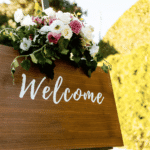
    1. Wedding Ceremonies: Arbors adorned with flowers create a stunning backdrop for wedding ceremonies. They can serve as the focal point for exchanging vows or as a beautiful entrance to the ceremony area. Popular choices include climbing roses, clematis, and wisteria, which can be arranged in a way that complements the wedding theme and color scheme.
    2. Garden Parties and Outdoor Celebrations: Whether it’s a garden party, anniversary celebration, or outdoor event, arbor flowers can enhance the ambiance and create a festive atmosphere. Decorate the arbor with vibrant blooms like morning glory, honeysuckle, or jasmine to add a touch of color and fragrance to the surroundings.
    3. Engagement Celebrations: Celebrating an engagement under a beautifully adorned arbor can be a memorable and picturesque moment. Choose arbor flowers that have personal significance to the couple, or opt for romantic blooms like climbing roses or clematis to create an intimate and enchanting setting.
    4. Renewal of Vows: Arbor flowers can be a symbolic and meaningful addition to vow renewal ceremonies. They represent growth, resilience, and the continuing beauty of a long-lasting relationship. Choose flowers that hold special significance for the couple or incorporate their favorite blooms into the arbor design.
    5. Outdoor Memorials and Remembrance Ceremonies: Arbors adorned with flowers can provide a serene and comforting setting for outdoor memorials and remembrance ceremonies. Select arbor flowers in soft and soothing colors, such as white or pastel shades, to create a peaceful and contemplative atmosphere.
    6. Graduation Celebrations: Arbors decorated with flowers can serve as a delightful backdrop for graduation ceremonies or graduation party photo booths. Incorporate the graduate’s favorite flowers or choose blooms in school colors to celebrate this milestone achievement.

    Remember to consider the theme, significance, and tone of the ceremony when selecting and arranging the arbor flowers. You can work with a florist or event planner to ensure that the arbor flowers align with the overall vision and aesthetics of the event.


    At Flower Club, we pride ourselves on providing exceptional floral designs and professional expertise to elevate any occasion. With our extensive knowledge of arbor flowers and their unique requirements, we ensure that every arbor is adorned with breathtaking blooms tailored to our customers’ preferences. What sets us apart is our attention to detail, personalized approach, and commitment to creating unforgettable experiences. Whether it’s a wedding ceremony, garden party, or any special event, our team works closely with clients to understand their vision and bring it to life. With our exceptional service, meticulous planning, and passion for creating enchanting arbor displays, customers can trust us to transform their space into a floral masterpiece that exceeds their expectations. Choose our arbor flower service for an extraordinary floral experience that will leave a lasting impression on all who attend your event.

    FAQ

    What are the best arbor flowers for my specific climate and location?

    The best arbor flowers for your climate and location depend on factors such as temperature, sunlight, and soil conditions. Consulting with a local gardening expert or researching plants native to your region can help you determine suitable options.

    How do I properly care for and maintain arbor flowers?

    Proper care for arbor flowers includes providing adequate sunlight, well-draining soil, regular watering, and appropriate pruning to maintain shape and health. It’s important to follow specific care instructions for each flower variety.

    What are the different types of support structures suitable for arbor flowers?

    Various support structures can be used for arbor flowers, including trellises, arbors, fences, or pergolas. Choose a structure that is sturdy enough to support the growth and weight of the flowers.

    How can I ensure my arbor flowers bloom throughout the season?

    Ensuring continuous blooming throughout the season involves selecting arbor flower varieties with staggered blooming periods. This way, you can have blooms from early spring to late fall. Consider combining early, mid, and late blooming varieties for extended floral displays.

    Are there any specific pruning techniques I should follow for arbor flowers?

    Pruning arbor flowers helps maintain their shape and health. Remove dead or damaged branches and thin out excessive growth. Different flower varieties may require specific pruning techniques, so it’s advisable to research or consult an expert for guidance.

    Can I grow arbor flowers in containers or pots?

    Yes, certain arbor flowers can be grown in containers or pots. Choose compact varieties or those specifically bred for container gardening. Ensure the containers have proper drainage and provide adequate support for the climbing nature of the flowers.

    What are the most popular arbor flower varieties for different colour schemes?

    The popularity of arbor flower varieties varies based on personal preferences and color schemes. Popular choices include clematis in various colors, climbing roses in classic hues, and wisteria in shades of purple, pink, and white.

    How long does it take for arbor flowers to reach their full growth and maturity?

    The time it takes for arbor flowers to reach full growth and maturity depends on the specific flower variety and environmental conditions. Typically, it can range from several months to a few years.

    What are some common pests and diseases that affect arbor flowers, and how can I prevent or treat them?

    Common pests and diseases affecting arbor flowers include aphids, powdery mildew, and black spot. Preventive measures include regular inspection, maintaining good airflow, and practicing proper hygiene. In case of infestations or diseases, consult with a gardening professional for appropriate treatments.

    Are there any specific considerations when combining arbor flowers with other plants in a garden design?

    When combining arbor flowers with other plants in a garden design, consider factors like growth habits, sunlight requirements, and compatibility. Create a harmonious arrangement by selecting plants that complement each other in terms of color, texture, and height.

  • Buttonhole Flowers 101: Everything You Need to Know

    Buttonhole Flowers 101: Everything You Need to Know


    buttonhole-flowers

    Summary

    Buttonhole flowers, also known as boutonnieres, are small floral arrangements worn by men on the lapel of a suit or jacket. With a rich history dating back to ancient times, these flowers symbolize allegiance, status, and devotion. They have become a popular tradition in formal events like weddings and proms, adding elegance and color to men’s attire. Popular choices for buttonhole flowers include roses, carnations, orchids, lilies, and even succulents for a contemporary touch. Taking care of buttonhole flowers involves keeping them hydrated, avoiding heat and direct sunlight, and securely pinning them to the lapel. By incorporating buttonhole flowers, men can add a personal touch and make a stylish statement on special occasions.

    Key Takeaways

    • Buttonhole flowers, also known as boutonnieres, are worn by men on the lapel of a suit or jacket.
    • They have a rich history dating back to ancient times, symbolizing allegiance, status, and devotion.
    • Buttonhole flowers are popular in formal events like weddings and proms, adding elegance and color to men’s attire.
    • Popular flower choices include roses, carnations, orchids, lilies, and succulents.
    • Taking care of buttonhole flowers involves keeping them hydrated, avoiding heat and direct sunlight, and securely pinning them.
    • Buttonhole flowers allow men to add a personal touch and make a stylish statement on special occasions.


    [su_youtube url=”https://www.youtube.com/watch?v=5WfBigzjn_A” autoplay=”yes” title=”Real Wedding”]

    By Flower Moxie


    Buttonhole flowers, also known as boutonnieres, have a long-standing tradition in fashion and special occasions. These small floral arrangements are worn by men, usually pinned to the lapel of a suit or jacket. While they may seem like a small detail, buttonhole flowers can add a touch of elegance and personality to any outfit. In this article, we will explore everything you need to know about buttonhole flowers, from their history and significance to the types of flowers commonly used.

    History and Significance: The tradition of wearing buttonhole flowers dates back centuries. It is believed to have originated in ancient Greece and Rome, where men would wear flowers as a symbol of allegiance during battles or as a sign of social status. In medieval times, knights would wear their lady’s colors as a token of devotion.

    The term “boutonniere” comes from the French word for “buttonhole.” It gained popularity in the 19th century when the buttonholes on men’s jackets became smaller, leading to the creation of small, compact floral arrangements that could be easily pinned.

    Buttonhole flowers have traditionally been worn during formal occasions such as weddings, proms, and other special events. They serve as a decorative element, adding a pop of color and style to a man’s attire. They are often coordinated with the color scheme or theme of the event and can complement the bouquet carried by the bride or other female attendees.

    Choosing the Right Flowers: When selecting buttonhole flowers, it’s important to consider the overall style, color, and theme of the event. The choice of flowers can vary depending on personal preferences, cultural traditions, and seasonal availability. Here are some popular options:

    1. Roses: Classic and timeless, roses are a popular choice for buttonhole flowers. They come in various colors and can symbolize love, passion, or friendship, depending on the hue.
    2. Carnations: Known for their long-lasting blooms, carnations are versatile and come in a wide range of colors. They are often used in buttonhole arrangements due to their durability.
    3. Orchids: Exotic and elegant, orchids make a sophisticated choice for buttonhole flowers. They add a touch of luxury and can be found in different colors and shapes.
    4. Lilies: With their elegant and fragrant blooms, lilies are a popular choice for weddings and formal events. They symbolize purity and beauty.
    5. Succulents: For a more contemporary and unique look, succulents are gaining popularity in buttonhole arrangements. Their distinctive shapes and colors create a modern and stylish aesthetic.

    Caring for Buttonhole Flowers: To ensure your buttonhole flowers stay fresh and vibrant throughout the event, follow these care tips:

    1. Keep them hydrated: Before pinning the buttonhole flower, place the stem in water to keep it fresh. You can use a small water tube or a damp cotton pad to maintain moisture.
    2. Avoid direct sunlight and heat: Excessive heat can cause the flowers to wilt quickly. Store the buttonhole flowers in a cool and shaded place until they are ready to be worn.
    3. Pin them securely: Use a boutonniere pin or a corsage pin to attach the flower to the lapel. Make sure it is secure enough to withstand movement but not too tight to damage the fabric.
    4. Remove before storing the suit: After the event, remove the buttonhole flower and gently blot any moisture from the fabric. Store the flower in a cool place or discard it, depending on its condition.

    Buttonhole flowers are a small but significant accessory that can elevate any formal attire. They serve as a visual representation of personal style, taste, and the joyous spirit of the occasion. Whether you opt for a classic rose or a trendy succulent, buttonhole flowers add a touch of natural beauty to any lapel. So, the next time you do your formal attire, consider adorning it with a carefully chosen buttonhole flower to make a memorable and stylish statement.

    FAQ

    Q: What are buttonhole flowers?

    A: Buttonhole flowers, also known as boutonnieres, are small floral arrangements worn by men on the lapel of a suit or jacket.

    Q: What is the significance of buttonhole flowers?

    A: Buttonhole flowers have a long-standing tradition and symbolize allegiance, status, and devotion. They add elegance and color to men’s attire during formal events.

    Q: What types of flowers are commonly used for buttonhole arrangements?

    A: Popular flower choices for buttonhole arrangements include roses, carnations, orchids, lilies, and succulents. The selection may vary based on personal preferences, cultural traditions, and seasonal availability.

    Q: How do I care for buttonhole flowers to keep them fresh?

    A: To keep buttonhole flowers fresh, place the stem in water before pinning them. Avoid direct sunlight and excessive heat, and securely pin them to the lapel. After the event, remove the flower and blot any moisture before storing the suit.

    Q: Can I customize buttonhole flowers to match the event’s theme or color scheme?

    A: Yes, you can customize buttonhole flowers to match the event’s theme or color scheme. Coordinate with florists or event planners to select the appropriate flowers and colors that complement the overall aesthetics.

    Q: When should I wear a buttonhole flower?

    A: Buttonhole flowers are commonly worn during formal occasions such as weddings, proms, galas, or other special events where men dress in formal attire.

    Q: How do I attach a buttonhole flower to my lapel?

    A: Use a boutonniere pin or a corsage pin to securely attach the buttonhole flower to the lapel. Make sure it is fastened tightly enough to withstand movement but not too tight to damage the fabric.

    Q: Can I reuse a buttonhole flower?

    A: Buttonhole flowers are often designed for one-time use due to their delicate nature. However, some hardy flowers like succulents can be replanted or repurposed after the event.

    Q: Are buttonhole flowers only for men?

    A: Traditionally, buttonhole flowers are worn by men, but there are no strict rules. Women can also wear buttonhole flowers, especially if they prefer a more minimalist or androgynous style.

    Q: Can I design my own buttonhole flower arrangement?

    A: Absolutely! If you have a creative inclination, you can design your own buttonhole flower arrangement. Work with a florist or follow online tutorials to create a personalized boutonniere that reflects your style.

    Remember, these answers serve as general guidelines, and it’s always a good idea to consult with a professional florist or event planner for specific advice and recommendations based on your individual needs and preferences. Our team is always here to assist you with any inquiry that you might have and we offer an exclusive range of signature buttonhole flowers that are re-known in Melbourne.

    Order Flower Club Signature Buttonhole

  • Corsage Flowers 101: Everything You Need to Know

    Corsage Flowers 101: Everything You Need to Know


    corsage flower


    Short Summary

    Corsage flowers are beautiful and symbolic accessories worn on special occasions like proms, weddings, and graduations. This ultimate guide explores the meaning, styles, and tips for choosing the perfect corsage. It covers various types of corsage flowers, their significance, popular styles, and designs. The article also discusses the importance of color selection and provides tips for selecting the right corsage flowers. Additionally, it offers step-by-step instructions for creating a DIY corsage and provides care tips to ensure the flowers last longer. For those with allergies or preferences, alternative corsage options are suggested. The article concludes by mentioning where to buy or order corsage flowers. Corsage flowers are more than just accessories; they represent love, honor, and celebration, adding elegance to any special event.


    Key Takeaways

    1. Corsage flowers are small, decorative arrangements worn on special occasions like proms, weddings, and graduations.
    2. Different types of flowers, such as roses, orchids, carnations, and lilies, are commonly used for corsages, each with its own symbolic meaning.
    3. Corsages can be worn on the wrist (wrist corsages), pinned to clothing (pin-on corsages), or created in a hand-tied style.
    4. The color of corsage flowers carries significance, with red symbolizing love, pink representing femininity, white denoting purity, and yellow signifying friendship.
    5. Tips for choosing the right corsage flowers include considering the wearer’s preferences, coordinating with the event theme, selecting durable flowers, and opting for pleasant fragrances.
    6. For those interested in a personal touch, DIY corsages can be crafted using flowers, greenery, ribbons, and other materials.
    7. Proper care for corsage flowers involves keeping them in a cool and dry place, misting them with water, avoiding direct sunlight and heat, and considering water containers for hydration.
    8. Corsage flower alternatives, such as fabric flowers, silk flowers, or jewelry-based corsages, can be chosen for individuals with allergies or personal preferences.
    9. Corsage flowers can be purchased or ordered from local florists, online flower shops, or DIY floral supply stores.
    10. Corsage flowers are more than accessories; they carry meaning, elegance, and symbolism, enhancing the beauty of special occasions.


    Table of Contents

    1. Corsage flowers are small, decorative arrangements worn on special occasions like proms, weddings, and graduations.
    2. Different types of flowers, such as roses, orchids, carnations, and lilies, are commonly used for corsages, each with its own symbolic meaning.
    3. Corsages can be worn on the wrist (wrist corsages), pinned to clothing (pin-on corsages), or created in a hand-tied style.
    4. The color of corsage flowers carries significance, with red symbolizing love, pink representing femininity, white denoting purity, and yellow signifying friendship.
    5. Tips for choosing the right corsage flowers include considering the wearer’s preferences, coordinating with the event theme, selecting durable flowers, and opting for pleasant fragrances.
    6. For those interested in a personal touch, DIY corsages can be crafted using flowers, greenery, ribbons, and other materials.
    7. Proper care for corsage flowers involves keeping them in a cool and dry place, misting them with water, avoiding direct sunlight and heat, and considering water containers for hydration.
    8. Corsage flower alternatives, such as fabric flowers, silk flowers, or jewelry-based corsages, can be chosen for individuals with allergies or personal preferences.
    9. Corsage flowers can be purchased or ordered from local florists, online flower shops, or DIY floral supply stores.
    10. Corsage flowers are more than accessories; they carry meaning, elegance, and symbolism, enhancing the beauty of special occasions.

    Introduction

    Corsage flowers have long been cherished for their beauty and symbolic significance. Whether it’s a prom night, a wedding ceremony, or a graduation celebration, corsages add a touch of elegance and grace to any special occasion. In this comprehensive guide, we will delve into the world of corsage flowers, exploring their meaning, various styles, and essential tips to help you choose the perfect corsage for your next event.


    1. What are corsage flowers?

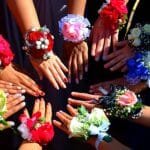
    Corsage flowers are small, decorative arrangements typically worn by women on their wrists or pinned to their clothing. They hold symbolic value and serve as a visual representation of honor, love, and celebration. Traditionally, corsages were worn by female family members or special guests at weddings, proms, and formal events.


    2. Types of corsage flowers

    Corsages can be crafted using a variety of flowers, each with its own significance and beauty. Popular choices include roses, orchids, carnations, and lilies. Roses symbolize love and passion, orchids represent luxury and refinement, carnations embody admiration, and lilies signify purity and innocence. Selecting the right flower is key to conveying the intended message and creating a stunning corsage.


    3. Occasions for wearing corsage flowers

    Corsages are commonly worn on special occasions like proms, weddings, graduations, and anniversaries. At proms, corsages are often exchanged between couples as a gesture of affection and to complement their attire. Wedding corsages are worn by mothers, grandmothers, and other female relatives to honor their roles in the ceremony. Graduates may also don corsages to commemorate their achievements.


    4. Popular corsage flower styles and designs

    Corsages come in various styles to suit personal preferences and fashion trends. Wrist corsages, delicately worn on the wrist like a bracelet, have gained popularity in recent years. Pin-on corsages are attached to clothing using a decorative pin, allowing for versatility in placement. Hand-tied corsages provide a natural, bohemian feel and can be created using a mix of flowers, foliage, and ribbons.


    5. Color selection and the meaning behind corsage flower colors

    The color of a corsage flower holds significance and can enhance its visual impact. Red symbolizes love and passion, while pink represents femininity and admiration. White denotes purity and innocence, while yellow signifies friendship and joy. When selecting corsage flowers, consider the event’s theme, the wearer’s outfit, and the intended message to choose the most appropriate color palette.


    6. Tips for choosing the right corsage flowers

    To ensure the corsage complements the wearer’s style and the occasion’s ambiance, keep these tips in mind:

    • Consider the wearer’s personal preferences and outfit color scheme.
    • Coordinate the corsage design with the overall theme or floral arrangements.
    • Opt for durable flowers that will withstand the event’s duration.
    • Choose flowers with a pleasant fragrance, as it adds to the sensory experience.


    7. Step-by-step instructions for making a DIY corsage

    For those who prefer a personal touch, crafting a DIY corsage can be a rewarding experience. Here’s a simple guide to creating your own corsage:

    1. Gather your desired flowers, greenery, and ribbons.
    2. Trim the stems to a suitable length and remove excess leaves.
    3. Arrange the flowers and greenery in a pleasing composition.
    4. Secure the stems together using floral tape or wire.
    5. Wrap a ribbon around the stems, tying it in a decorative bow.
    6. Attach a wristband or pin for easy wearing.


    8. How to care for corsage flowers

    To ensure the longevity of your corsage flowers, follow these care tips:

    • Keep the corsage in a cool and dry place until it is ready to be worn.
    • Mist the flowers with water to keep them hydrated.
    • Avoid direct sunlight and excessive heat, as it can cause wilting.
    • Consider placing the corsage in a small container with water to maintain freshness.


    9. Corsage flower alternatives

    For individuals with allergies or personal preferences, corsage flower alternatives can provide an equally stunning and symbolic accessory. Fabric flowers, silk flowers, or even jewelry-based corsages can be viable alternatives. These options offer flexibility, longevity, and the ability to match any outfit without concerns about allergies or wilting.


    10. Where to buy or order corsage flowers

    Corsage flowers can be purchased or ordered from various sources, including local florists, online flower shops, or even DIY floral supply stores. It’s advisable to place your order in advance, especially for busy occasions like proms and weddings, to ensure availability and customization options.


    Conclusion

    Corsage flowers are more than just a fashion accessory; they embody meaning, beauty, and the essence of special occasions. By understanding their significance, exploring different styles, and following essential tips, you can choose the perfect corsage that enhances your attire and adds a touch of elegance to your next memorable event. Whether you opt for a classic rose corsage or get creative with a DIY design, let corsage flowers be a reflection of your style and the celebration at hand.

    Learn more about our signature corsage.

    We also wrote another article about the difference between formal and wedding corsages. 

  • Why is it Hard to Take Care of Orchids?

    Why is it Hard to Take Care of Orchids?

    Short Summary

    Taking care of orchids can be challenging due to specific environmental conditions they require, such as a delicate balance of temperature, humidity, light, and airflow. They are sensitive to overwatering and have different cultural requirements, making it important to understand their individual needs. Orchids need adequate light conditions, avoiding direct sunlight that can harm the leaves. Repotting can be challenging due to their delicate roots, and they are susceptible to pests and diseases that require vigilant monitoring and treatment. Orchids have lengthy bloom cycles and may require complex care techniques like specialized fertilizers, proper air circulation, and humidity management. Despite these challenges, with research, attention, and patience, taking care of orchids can be a rewarding experience.


    Key Points

    1. Specific Environmental Conditions
    2. Sensitivity to Overwatering
    3. Different Cultural Requirements
    4. Adequate Light Conditions
    5. Repotting Challenges
    6. Pests and Diseases
    7. Lengthy Bloom Cycles
    8. Complex Care Techniques


    1. Specific Environmental Conditions: Orchids have specific environmental requirements that can be challenging to replicate. They often require a delicate balance of temperature, humidity, light, and airflow. Meeting these precise conditions can be difficult, especially in regions with extreme climates or limited control over the growing environment.
    2. Sensitivity to Overwatering: Orchids are sensitive to overwatering. They typically require a well-draining growing medium and a careful watering routine. Overwatering can lead to root rot and other issues, while underwatering can cause dehydration. Finding the right balance and understanding the watering needs of each orchid species can be tricky.
    3. Different Cultural Requirements: Orchids encompass a vast range of species with diverse cultural requirements. Each orchid species may have different light preferences, temperature ranges, and humidity levels. Understanding and providing the specific care requirements for a particular orchid can be a challenge, especially for beginners.
    4. Adequate Light Conditions: Orchids need the right amount and quality of light to thrive. While they require bright light, direct sunlight can be too intense and cause leaf burn. Providing the ideal lighting conditions can be difficult indoors, as windows may not offer sufficient light, or the available light may be inconsistent.
    5. Repotting Challenges: Orchids require periodic repotting to ensure proper root health and growth. However, repotting can be tricky due to their delicate root systems. Orchid roots are typically exposed to air and require a specialized potting mix. Repotting at the wrong time or mishandling the delicate roots can lead to stress and damage to the plant.
    6. Pests and Diseases: Orchids are susceptible to various pests and diseases, including aphids, mealybugs, scale insects, and fungal infections. Detecting and treating these issues can be challenging, as the symptoms may not be easily noticeable, and orchids can be sensitive to certain pesticides and treatments.
    7. Lengthy Bloom Cycles: Orchids often have extended bloom cycles, with periods of rest between flowering. Some orchids may bloom only once a year, while others have irregular blooming patterns. Patience and understanding the specific bloom cycle of each orchid can be necessary to enjoy their flowers.
    8. Complex Care Techniques: Orchids may require additional care techniques, such as fertilizing with specialized orchid fertilizers, providing proper air circulation, and considering specific humidity needs. Mastering these techniques and incorporating them into regular care routines can take time and effort.

    While orchids can be challenging to care for, with proper research, patience, and attention to their specific needs, they can be rewarding and beautiful additions to any plant collection.

    Take a look at our premium long-lasting Violet and White Phalaenopsis orchid.

  • Why Roses are Still the Most Popular Flowers Worldwide?

    Why Roses are Still the Most Popular Flowers Worldwide?

    Roses continue to be the most popular flowers for several reasons. Here are the main key points that contribute to their enduring popularity:

    Short Summary

    Roses are popular due to their symbolic significance, representing love and romance. They possess a timeless and classic beauty, with a wide variety of colors and sizes to choose from. Roses are readily available throughout the year, and their long vase life adds value to them as a gift. They have a rich cultural and historical significance, and their versatile use allows them to be incorporated into various floral designs. Above all, roses have a remarkable ability to evoke emotions and create a memorable impact on the recipient, making them a preferred choice for expressing sentiments and creating meaningful moments.

    Key Points

    • Symbolic Significance
    • Classic Beauty
    • Wide Variety
    • Availability
    • Longevity
    • Cultural and Historical Significance
    • Versatile Use
    • Emotional Impact
    1. Symbolic Significance: Roses have a rich and diverse symbolic significance. They are often associated with love, beauty, and romance. Red roses, in particular, have become a universal symbol of passionate love and are commonly exchanged on special occasions like Valentine’s Day or anniversaries. The deep emotional connotations attached to roses make them a timeless choice for expressing affection and admiration.
    2. Classic Beauty: Roses possess timeless and classic beauty that appeals to a wide range of people. Their soft petals, vibrant colors, and elegant shapes make them visually stunning and captivating. Whether it’s a single rose or a bouquet of roses, they exude an aura of grace and charm that transcends cultural boundaries. This inherent beauty makes roses an evergreen choice for various occasions and celebrations.
    3. Wide Variety: Roses offer a wide variety of options in terms of colors, sizes, and fragrances. From classic red roses to delicate pink, cheerful yellow, pure white, or even exotic bi-colors, there is a rose to suit every taste and preference. This versatility allows people to choose roses that perfectly match the recipient’s personality or the intended message they want to convey.
    4. Availability: Roses are widely cultivated and readily available in many parts of the world. Their popularity has led to extensive cultivation, making them easily accessible throughout the year. This availability ensures that roses are a convenient choice for any occasion, regardless of the season.
    5. Longevity: Compared to some other flowers, roses have a relatively long vase life. When properly cared for, roses can last several days, allowing the recipient to enjoy their beauty for an extended period. This longevity adds value to roses as a gift and makes them a practical choice for those who want their gesture to be appreciated for more than just a fleeting moment.
    6. Cultural and Historical Significance: Roses have a rich history and cultural significance that spans different civilizations. They have been celebrated in art, literature, and mythology for centuries, adding to their allure and appeal. This deep-rooted cultural significance contributes to the timeless popularity of roses and ensures their continued admiration.
    7. Versatile Use: Roses can be used in various ways, making them versatile for different occasions and settings. They are commonly used in floral arrangements, bouquets, centerpieces, corsages, and even as single stems. Their versatility allows them to be incorporated into different floral designs, from romantic and elegant arrangements to more contemporary or artistic displays.
    8. Emotional Impact: Roses have a remarkable ability to evoke emotions and create a memorable impact on the recipient. Whether it’s surprise, joy, gratitude, or even sorrow, roses have the power to stir deep feelings and convey heartfelt messages. This emotional connection strengthens their popularity as a preferred flower choice for expressing sentiments and creating meaningful moments.

    Considering these key points, it becomes clear why roses have maintained their position as the most popular flowers. Their symbolism, beauty, variety, availability, longevity, cultural significance, versatility, and emotional impact collectively contribute to their timeless appeal and universal admiration.

  • Which Flowers Should You Use to Congratulate Someone

    Which Flowers Should You Use to Congratulate Someone

    Flowers are a wonderful way to congratulate someone on a special occasion. Whether it’s a job promotion, graduation, new baby, or engagement, flowers can convey your best wishes and make the flower recipient feel appreciated and loved. However, with so many different types of flowers available, it can be quite challenging to choose the right ones for the occasion. In this article, we’ll discuss the best flowers to use when congratulating someone.

    Flowers for Graduation

    Graduation is a significant milestone in someone’s life, and it deserves special congratulations. Some of the best flowers to give to a graduate include yellow roses, sunflowers, and lavender. 

    Yellow roses symbolize friendship and happiness, making them the perfect choice for congratulating a friend or family member who has graduated. Sunflowers, with their gorgeous, bright yellow petals and large size, represent positivity and optimism, which is perfect for celebrating a new chapter in life. Lavender, on the other hand, is a symbol of grace and elegance, making it an ideal choice for congratulating someone who has achieved a significant accomplishment.

    Flowers for Job Promotion

    Getting a job promotion is a big deal, and it deserves recognition and celebration. Some of the best flowers you can give to someone who has been promoted include lilies, daisies, and orchids. 

    Lilies are a symbol of success and prosperity, making them an excellent choice for congratulating someone on a new job position. Daisies are another great option, as they represent new beginnings and fresh starts, which is perfect for someone who has just been promoted. Orchids, with their exotic and elegant appearance, represent luxury and accomplishment, making them a thoughtful gift for someone who has worked hard to achieve their goals.

    Flowers for New Baby

    Welcoming a new baby into the world is an exciting and joyous occasion, and flowers can help convey your congratulations and best wishes. Some of the best flowers you can give to new parents include roses, lilies, and carnations. 

    Roses are a classic choice for congratulating new parents, and pink or blue roses can be used to represent the gender of the baby. Lilies, with their delicate and sweet fragrance, are a symbol of purity and innocence, making them a thoughtful gift for a new baby. Carnations, with their soft petals and gentle fragrance, represent motherly love and are a perfect way to congratulate a new mum.

    Flowers for Engagement

    Getting engaged is perhaps one of the most exciting moments in someone’s life, and flowers can help celebrate this special occasion. Some of the best flowers you can give to someone who has just gotten engaged include red roses, tulips, and hydrangeas. 

    Red roses are known to symbolize love and passion, making them an ideal choice for congratulating a newly engaged couple. Tulips, with their elegant and sophisticated appearance, represent love and commitment, making them a thoughtful gift for an engagement. Hydrangeas, with their large and beautiful blooms, are a symbol of gratitude and appreciation and can be used to congratulate a couple on their engagement.

    Final Thoughts

    Flowers are truly a thoughtful and meaningful way to congratulate someone on a special occasion. Whether it’s a job promotion, graduation, new baby, or engagement, there are many different types of flowers to choose from that can convey your best wishes and love. By selecting the right flowers for the occasion, you can make the recipient feel appreciated and celebrated. So the next time you need to congratulate someone, consider sending them a beautiful bouquet of flowers to show your support and love.

    Get the best graduation flowers in Melbourne for your loved one with the help of Flowerclub. We are one of the most trusted florists in Melbourne, offering low-cost delivery to Melbourne metro suburbs, so you don’t have to worry about it. We will walk you through several available options and design the best bouquets of flowers for you. Order now!

  • Birth Month Flowers: Symbolisms Behind Each Blooming Beauty

    Birth Month Flowers: Symbolisms Behind Each Blooming Beauty

    Flowers have been a popular gift choice for centuries. They not only brighten up a room and bring a smile to the recipient’s face, but they also hold significant meanings that make them all the more special. 

    To help you choose the perfect birthday flowers for your loved ones, we have compiled a comprehensive guide to birth month flowers and their meanings. So, whether you’re a January baby or a December darling, read on to discover the perfect bloom to celebrate your special day.

    January: The Carnation

    Carnations are the birth flower for those born in January. They symbolise love, fascination, and distinction. While each colour has its meaning, pink carnations represent a mother’s undying love. 

    On the other hand, red carnations symbolise deep love and affection, making them an excellent choice to gift your significant other. White carnations stand for pure love and good luck, while striped carnations represent regret.

    February: The Violet

    Violets are the birth flower for this month. These delicate, fragrant flowers suggest faithfulness, humility, and chastity. They also represent a deep connection and devotion to someone, making them a beautiful and meaningful gift to express your commitment and loyalty to a loved one.

    March: The Daffodil

    Daffodils are the birth flower for those born in March. They indicate new beginnings, rebirth, and hope. 

    Gifting daffodils to someone on their birthday is a beautiful way to wish them a fresh start and a prosperous year ahead. Yellow daffodils represent happiness and positive energy, while white daffodils symbolise purity and innocence.

    April: The Daisy

    Daisies are the birth flower for April babies. They express innocence, purity, and loyal love. 

    Daisies are also known to represent new beginnings and transformation, making them a perfect gift to celebrate the start of a new chapter in someone’s life. Gerbera daisies, with their vibrant colours, are a popular choice for birthday bouquets.

    May: The Lily of the Valley

    Lily of the Valley is the birth flower for those with a birthday in May. These small, bell-shaped flowers illustrate humility, sweetness, and a return to happiness. 

    They are often associated with motherhood and are believed to bring luck in love. Gifting a bouquet of Lily of the Valley to someone on their birthday is a sweet gesture to wish them love and happiness in the coming year.

    June: The Rose

    Roses are the birth flower for June. They are perhaps the most famous and universally loved flower, conveying love, beauty, and passion. 

    Each colour of the rose carries its own meaning, with red roses representing love and romance, pink roses expressing gratitude and appreciation, and white roses communicating purity and innocence. Yellow roses are perfect for celebrating friendship, while orange roses signify enthusiasm and passion.

    July: The Larkspur

    Larkspur is the birth flower for those born in July. These tall, elegant flowers connote an open heart, strong attachment, and a love that is both pure and sweet. 

    Larkspurs come in various colours, with each colour holding its symbolism. Pink larkspurs represent fickleness, white larkspurs symbolise a happy nature, and purple larkspurs stand for first love.

    August: The Gladiolus

    Gladiolus is the birth flower for the birthday celebrants in August. They denote strength, moral integrity, and infatuation. 

    Sending gladiolus as birthday flowers is a way to express your admiration for their strong character and to wish them a year filled with personal growth and achievements.

    September: The Aster

    September birthdays are represented by the aster and morning glory flowers. Asters suggest love, wisdom, and faith, while morning glories represent affection, unrequited love, and mortality. A bouquet featuring these flowers will express your deep love and appreciation for your September-born loved one.

    October: The Marigold

    Marigolds are the designated birth flower for those born in October. They encapsulate warmth, creativity, and a strong, affectionate love. 

    These vibrant, golden flowers are often associated with the sun and are believed to represent passion and creativity. Marigolds are also thought to bring good luck and prosperity.

    November: The Chrysanthemum

    People born in November have the chrysanthemum as their birth flower. These lovely flowers represent friendship, happiness, and long life. 

    Often linked with joy, they are thought to attract luck and positivity. To honour a friend’s birthday, giving them a bunch of chrysanthemums is a delightful way to appreciate their companionship and hope for their continued happiness and longevity.

    December: The Narcissus

    Narcissus, also known as daffodils, is the birth flower for December babies. They embody hope, renewal, and new beginnings. 

    Narcissus flowers are often associated with the arrival of spring and are said to represent the promise of brighter days ahead. Gifting a bouquet of narcissus flowers on someone’s birthday is a thoughtful way to remind them of the hope and joy each new year brings.

    Final Thoughts

    There are numerous options to create a fantastic surprise for someone. If you can’t be with them on their birthday, consider sending a personalised bouquet of birthday flowers, including their favourite blooms. This thoughtful gesture demonstrates that you’ve put genuine effort into selecting the perfect gift.

    Looking for birthday flowers delivery in Melbourne? Flowerclub is at your service! We provide budget-friendly flower arrangements in various sizes. Boasting the top florists in Melbourne, we can ensure same-day flower delivery for your convenience. Contact us now and let us know how we can be of assistance!

  • The Floral Way of Apologizing: Creative Ideas to Show You Care – Part 2

    The Floral Way of Apologizing: Creative Ideas to Show You Care – Part 2

    As humans, we are bound to make mistakes and hurt the feelings of our loved ones. Sometimes, words may not be enough to express our regret and apologies. That’s where flowers come in. Flowers are a universal language of love and affection and can also be a powerful way to say, “I’m sorry.” In this blog post, we will explore creative ways to say sorry using different types of flowers and how a florist can help you choose the perfect apology bouquet.

    1. Ivy

    Ivy is a symbol of fidelity and strong bonds. It represents the idea of sticking together through thick and thin. When you want to apologise to someone for breaking their trust, ivy is a thoughtful choice that can help mend the relationship. Consider adding ivy to a bouquet of other apology flowers, or create an ivy plant arrangement that your loved one can nurture and grow as a symbol of your rekindled bond.

    2. Roses

    Roses are the most popular choice for expressing love and affection. However, different colours of roses have different meanings. To say sorry, opt for yellow or white roses. Yellow roses symbolise friendship, joy, and a promise of new beginnings, while white roses represent purity and innocence. 

    3. Orchids

    Orchids are exotic and delicate flowers representing beauty, strength, and love. They are a unique and elegant way to apologise to someone you care about. Orchids also symbolise growth and transformation, which can signify your commitment to change for the better. A beautiful orchid plant or bouquet will convey your heartfelt apology and show you value the relationship.

    4. Tulips

    Tulips are bright and cheerful flowers that symbolise new beginnings and hope. They are perfect for saying sorry, especially if you want to convey that you are willing to change and make things right. Choose pink tulips for forgiveness or white tulips for a fresh start. A bouquet of mixed-coloured tulips can add a touch of happiness and positivity to your apology, making it more effective and heartfelt.

    5. Blue Hyacinth

    Blue hyacinth flowers carry the message of sincerity and constancy. They are an unusual and thoughtful option for an apology bouquet. The calming blue colour and the sweet fragrance of hyacinth can help soothe hurt feelings and convey your genuine regret. 

    6. Lilies

    Lilies are elegant and sophisticated flowers that symbolise humility and devotion. White lilies, in particular, are associated with purity and innocence. A bouquet of white lilies can be a powerful way to say sorry and show that you are genuinely remorseful for your actions. You can also choose other lily colours, like pink or orange, representing love and passion, and boldly state your commitment to making amends.

    How a Florist Can Help

    Florists are experts in flower arrangement and can help you choose the perfect bouquet or arrangement to say sorry. They can guide you in selecting the right flowers based on their meanings and customise the arrangement to suit the recipient’s preferences and the nature of the relationship. Furthermore, a florist can add personalised touches, such as a handwritten note or ribbon with an apology message, to make your floral apology even more meaningful.

    Conclusion

    Saying sorry with flowers is a timeless and heartfelt way to express your regret and desire to make amends. Whether you choose ivy, roses, orchids, tulips, blue hyacinths, or lilies, a beautiful bouquet or arrangement can convey your apology more effectively than words alone. Don’t hesitate to consult a florist to help you create the perfect apology gift to touch your loved one’s heart and pave the way for forgiveness and healing.

    Looking for a florist in Melbourne to help you express your apologies or make amends with a beautiful flower arrangement? Flowerclub has got you covered! Our premium flower delivery Melbourne service offers the option for fresh flowers to be delivered on the same day. Trust our experienced florists to create an apology bouquet that speaks volumes and conveys your heartfelt message.

  • The Floral Way of Apologizing: Creative Ideas to Show You Care – Part 1

    The Floral Way of Apologizing: Creative Ideas to Show You Care – Part 1

    Sometimes, words alone are not enough to express your heartfelt apologies. Actions speak louder than words, and what better way to say sorry than with a beautiful bouquet of flowers? Flowers are universally appreciated for their beauty, fragrance, and the emotions they evoke. They can convey a message of love, friendship, and regret, making them an ideal choice for apologising. In this blog post, we shall explore six creative ways to use flowers to say sorry and how experienced florists can guide you in choosing the right blooms to mend fences.

    1. A Bouquet of Roses: Classic Apology

    Roses are the most popular flowers to say sorry as they symbolise love, passion, and regret. A bouquet of red roses is a classic choice to express your deepest apologies, but you can also opt for other colours with different meanings. 

    2. Write a Message with Flowers: Floral Poetry

    If you want to take your apology to the next level, let the flowers do the talking. Use the language of flowers to create a floral arrangement that spells out your message of regret. Each flower has a different meaning, so you can mix and match different blooms to create a unique bouquet. 

    3. Flowers with a Personal Touch: Customize Your Apology

    Adding a personal touch to your floral apology can show sincerity and thoughtfulness. Work with a florist to create a bespoke arrangement incorporating the recipient’s favourite flowers, colours, and scents. You can also include meaningful items like a small photo frame, a handwritten note, or a charm that holds special significance to the person you’re apologising to. This personalised approach shows that you genuinely care and are willing to make amends.

    4. Flower Subscription: A Lasting Apology

    Apologizing with a single bouquet is lovely, but what if you could extend your apologies over a more extended period? A flower subscription is an excellent way to show your commitment to making amends. 

    Arrange for your recipient to receive a fresh bouquet every month for a specified duration, be it three months, six months, or even a year. This continuous display of beautiful flowers can be a constant reminder of your efforts to rebuild the relationship.

    5. Scented Apologies: Aromatic Flowers

    Some flowers, like lilies, gardenias, and jasmine, are known for their intoxicating scents. Use this to your advantage by choosing blooms with fragrances that hold particular meaning or memories for you and the person you’re apologising to. The aroma of the flowers can serve as a gentle reminder of the bond you share and the importance of reconciliation.

    6. Create a Floral Experience: Apologise in Person

    Take your floral apology to another level by creating an entire experience around it. Instead of sending your bouquet, consider hand-delivering it and spending time with the person you’re apologising to. You could prepare a meal or go for a walk, using the flowers as a conversation starter and a symbol of your desire to mend the relationship. This approach shows that you’re genuinely invested in making amends and willing to put in the time and effort.

    Conclusion

    Flowers are a powerful and versatile tool for expressing emotions, and with the help of a skilled florist, you can create the perfect apology bouquet. Whether you choose a classic arrangement of roses, a personalised bouquet with sentimental touches, or a flower subscription for a lasting reminder, flowers can help you communicate your regret and desire to make amends. Don’t hesitate to reach out to a florist to discuss your options and create the perfect floral apology that shows just how sorry you are.

    Looking for a florist in Melbourne to help you say sorry with flowers? Look no further than Flowerclub! Our flower delivery Melbourne service includes an option for fresh flowers to be delivered on the same day. Let us help you create a beautiful bouquet that conveys your heartfelt apology. Order today!